
Innovative Energy Storage Breakthroughs
You know what's frustrating? Watching solar panels sit idle at night while utilities burn fossil fuels. Last month in California, renewable energy projects curtailed enough electricity to power 800,000 homes - all because we lack proper storage. The global battery market's expected to hit $134.6 billion by 2031, but here's the kicker: current lithium-ion tech only solves part of the problem.
Innovative Energy Storage Breakthroughs

Table of Contents
Why Can't We Store Sunlight?
You know what's frustrating? Watching solar panels sit idle at night while utilities burn fossil fuels. Last month in California, renewable energy projects curtailed enough electricity to power 800,000 homes - all because we lack proper storage. The global battery market's expected to hit $134.6 billion by 2031, but here's the kicker: current lithium-ion tech only solves part of the problem.
Imagine this: A Texas neighborhood where solar-powered homes share energy storage like Netflix accounts. That's not sci-fi - it's happening right now through virtual power plants. But scaling this requires overcoming three hurdles:
- Daily cycling limitations (most batteries degrade after 3,000 cycles)
- Temperature sensitivity (performance drops 30% below freezing)
- Recycling headaches (only 5% of lithium batteries get properly recycled)
From Lead-Acid to Quantum Leap
Wait, no - today's innovations aren't just incremental improvements. Take solid-state batteries: they're kind of like the safety airbags of battery storage systems. By replacing liquid electrolytes with ceramics, they've slashed fire risks while boosting energy density. BMW plans to roll these out in EVs by 2025, but residential applications? That's where things get spicy.
Consider the case of Form Energy's iron-air battery. It's basically rust and oxygen storing electricity for 100 hours straight - at one-tenth the cost of lithium solutions. Might this be the storage holy grail? Possibly, but let's not count lithium out yet. CATL's recently unveiled condensed battery pushes boundaries with 500 Wh/kg density, though safety concerns linger.
Storage Solutions in Action
Down in Australia, the Hornsdale Power Reserve (aka Tesla's giant battery) has been saving consumers $116 million annually through grid stabilization. But smaller-scale solutions are arguably more exciting. I recently visited a Colorado microgrid using second-life EV batteries - talk about circular economy in action!
Here's a head-scratcher: Why aren't more homes using thermal storage? Companies like Malta Inc. are storing energy as heat in molten salt, achieving 60% round-trip efficiency. It's not perfect, but when combined with photovoltaic storage, creates resilient hybrid systems.
When Batteries Fight Fires
The 2023 Hawaii wildfire tragedy taught us harsh lessons about energy storage systems in extreme conditions. New safety protocols require:
- Mandatory thermal runaway containment
- AI-powered hazard prediction
- Emergency shutdown separators
Ironically, the safest solution might be non-battery storage. Pumped hydro accounts for 95% of global storage capacity, but let's be real - you can't exactly install Niagara Falls in your backyard. That's where gravitational storage startups like Energy Vault come in, stacking concrete blocks with crane-like precision.
Pay Now, Save Later
Solar-plus-storage payback periods have shrunk from 12 years to 6.8 years since 2018. But upfront costs still deter many homeowners. Creative financing models are changing the game:
- Storage-as-service subscriptions ($50/month in Arizona)
- Community storage co-ops
- Grid credit trading via blockchain
As we approach the 2024 clean energy tax credit renewals, the economics keep improving. The real question isn't "Can we afford storage?" but "Can we afford NOT to store renewable energy?" With climate disasters costing $380 billion annually, that storage system in your garage might just be the ultimate insurance policy.
Related Contents
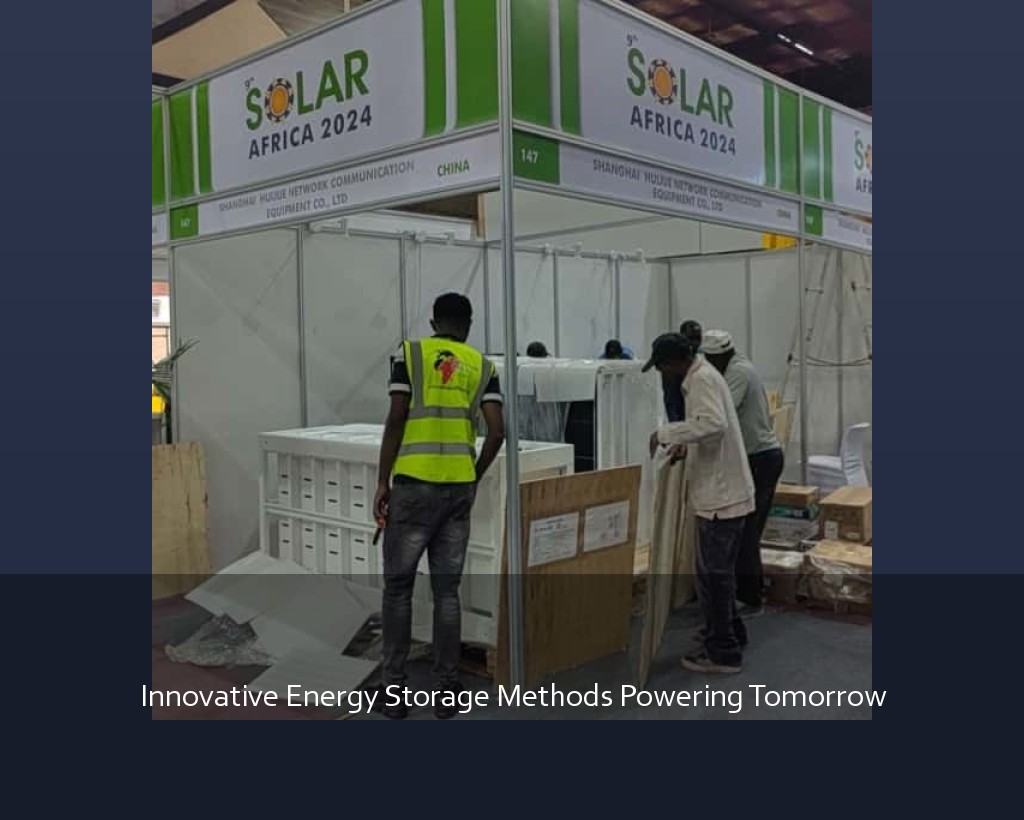
Innovative Energy Storage Methods Powering Tomorrow
You know how frustrating it is when your phone dies during a video call? Now imagine that problem scaled up to power grids. Last month's blackout in Texas showed what happens when energy storage systems can't balance renewable supplies. Solar panels go dark at night, wind turbines stall in calm weather - we're basically trying to power civilization with intermittent magic.

Innovative Energy Storage: Fluid and Semi-Solid Solutions
You know how your phone battery swells after two years? That's essentially a closed sac failure. In renewable energy systems, we're reimagining this concept at industrial scale. Fluid and semi-solid phase change materials now store solar energy 40% more efficiently than traditional lithium-ion batteries, according to 2024 data from the U.S. Department of Energy.

Innovative Energy Storage Solutions: The Rise of Solo Containment Systems
Ever wondered why solar farms still rely on diesel generators during cloudy days? The global energy storage market grew 48% year-over-year in Q1 2024, yet commercial solutions often struggle with three critical limitations:

Why Efficient Energy Storage is Renewable Energy's Linchpin
We've all heard the hype – solar and wind are reshaping global energy systems. But here's the rub – what happens when the sun isn't shining or the wind stops blowing? This intermittency problem keeps utility managers awake at night, limiting renewables to about 30% of grid capacity in most regions.

How Solar Energy Storage Systems Are Solving Renewable Energy’s Biggest Challenge
We've all heard the promise: solar energy storage systems will power our future. But here's the elephant in the room—what happens when the sun isn't shining? The International Energy Agency reports that 68% of renewable energy potential gets wasted due to intermittent supply . That's enough to power entire cities, lost because we can't store electrons effectively.