
GRID CONNECTED SYSTEMS
GRID CONNECTED SYSTEMS

Solar Systems Demystified: On-Grid, Off-Grid & Hybrid
Ever found yourself staring at your electricity bill, wondering if there's a better way? You're not alone. With 34% of U.S. households now considering solar (Energy.gov, 2023), the choice between on-grid, off-grid, and hybrid systems has become the renewable energy version of "Netflix vs Hulu". But here's the kicker - most installers won't tell you that 62% of residential solar adopters regret their initial system choice within 5 years.
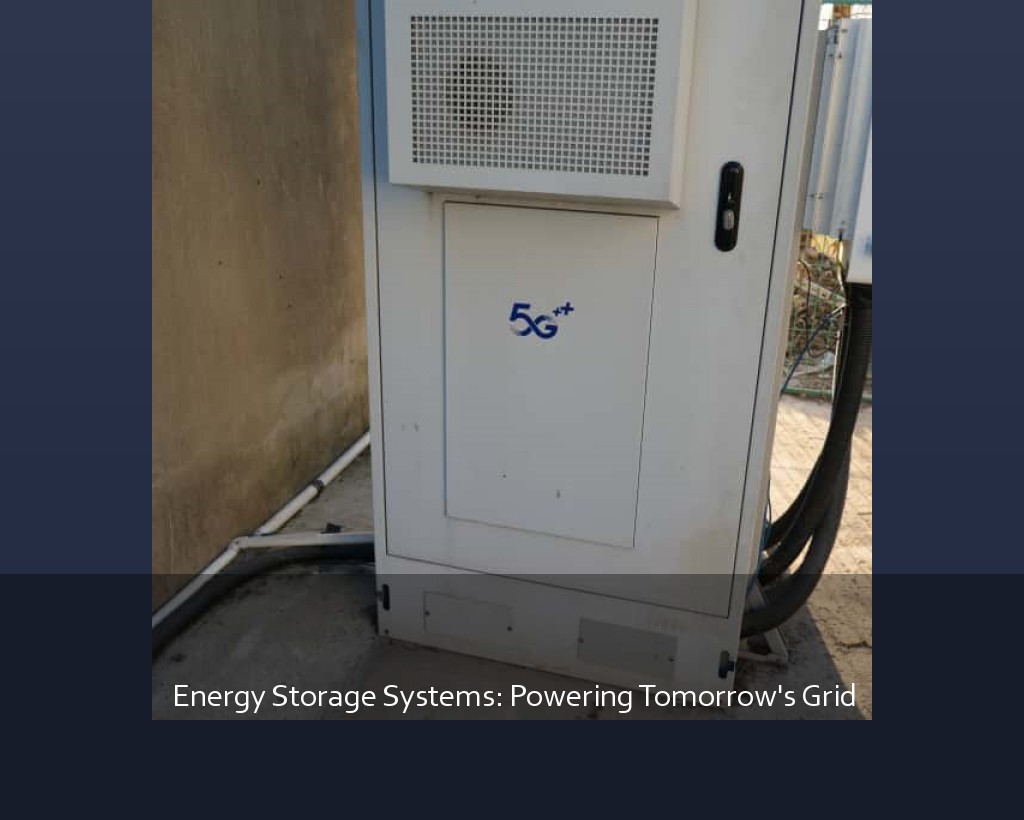
Energy Storage Systems: Powering Tomorrow's Grid
California's grid operators faced 12 consecutive hours of renewable energy surplus last April - enough solar power to light up 5 million homes, yet 34% got wasted due to insufficient storage capacity. This isn't just a technical hiccup; it's a $280 million missed opportunity that kept fossil plants running after sunset.

Marsrock Grid-Tie Inverters: Powering Modern Solar Systems
You've probably seen solar panels glittering on rooftops, but here's something most homeowners don't realize: grid-tie inverters determine whether those panels become money-saving assets or underperforming decorations. While solar modules grab attention, it's the inverter that actually negotiates with your utility company and decides how much value you extract from sunlight.

Off-Grid Solar Systems: Energy Independence Made Simple
1.2 billion people worldwide still lack reliable electricity access according to 2024 World Bank data. That’s where off-grid solar steps in – not as alternative energy, but as primary power for homes from the Andes to sub-Saharan Africa. But what makes these systems suddenly viable where traditional grid expansion failed?

Off-Grid Battery Systems: Powering Independence
You know that feeling when your phone hits 1% battery during a video call? Now imagine your entire house blinking out like that. Off-grid energy storage systems prevent exactly that scenario, but with a twist most people don't see coming.

Micro Energy Systems: Powering Tomorrow's Grid
Ever wondered why your lights flicker during heatwaves? Micro energy systems are emerging as the antidote to our aging power infrastructure. The U.S. Department of Energy reports 70% of grid components are over 25 years old - practically medieval in tech years. Last month's Texas blackouts left 2 million without power, proving centralized systems can't handle climate chaos.

Solar Grid Systems Demystified
Ever wondered how sunlight becomes usable electricity for your home? Let's break it down. A typical solar grid system converts photons into electrons through photovoltaic panels, then channels that energy through inverters and controllers. But here's the kicker - not all systems play nice with traditional power grids.

Energy Storage Systems: Powering Tomorrow's Grid
California's grid operators curtailed 2.4 million MWh of solar energy in 2023 alone - enough to power 270,000 homes for a year. This staggering waste exposes renewable energy's Achilles' heel: intermittency. Without energy storage systems (ESS), clean power surpluses vanish like mirages in the desert.
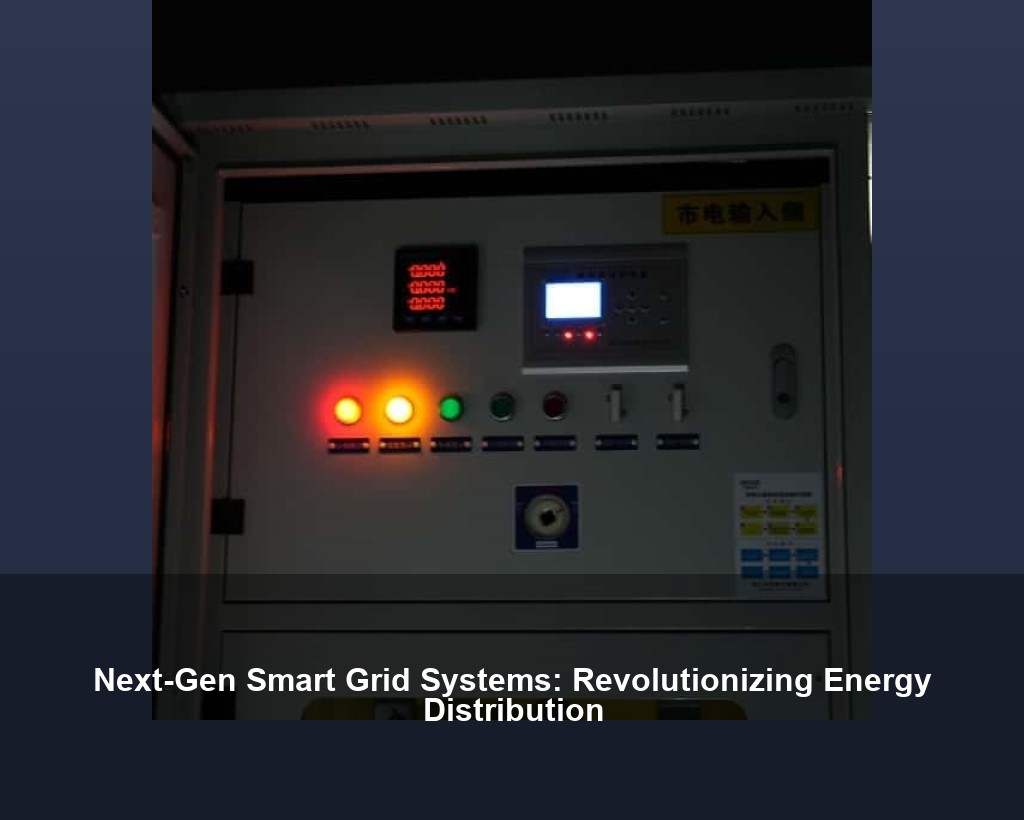
Next-Gen Smart Grid Systems: Revolutionizing Energy Distribution
Ever wondered why your lights flicker during heatwaves? Next-gen smart grid systems aren't just tech jargon - they're becoming our last defense against 20th-century infrastructure collapsing under climate pressures. The U.S. Department of Energy estimates 70% of transmission lines are over 25 years old, while demand surged 40% since 1990. It's like trying to stream 4K video through dial-up modems.

Smart Grid Systems: Powering Renewable Futures
You know how your phone crashes when too many apps run? That's essentially what's happening to our energy grids. Last summer's blackouts in Texas—which left 4.3 million homes powerless—weren't just about extreme weather. They exposed a fundamental mismatch: 20th-century infrastructure trying to handle 21st-century renewable energy demands.

Grid-Connected Solar Inverters Demystified
You know how your smartphone needs a charger to talk to your wall outlet? Well, grid-connected solar inverters serve a similar purpose - but for your entire house. These devices convert raw DC electricity from solar panels into grid-compatible AC power, acting as the linguistic translators between your rooftop and the utility company.

Wind Solar Hybrid Off-Grid Systems Explained
Let’s cut through the jargon. A wind-solar hybrid system combines photovoltaic panels and wind turbines to charge battery banks, creating self-sufficient power networks. Unlike grid-tied setups, these systems operate independently – perfect for remote cabins, telecom towers, or disaster-prone areas. But here’s the kicker: when designed right, they achieve 90%+ reliability compared to single-source systems’ 60-70% performance.