
Solar Energy Revolution in Qatar
Why would one of the world's richest oil nations bet big on solar power? Qatar's push for renewable energy isn't just about environmental virtue signaling - it's a calculated move to future-proof its economy. With 2000+ kWh/m² annual solar irradiation (the highest recorded nationwide figures globally), the country could theoretically power itself 8 times over through photovoltaic technology alone.
Solar Energy Revolution in Qatar

Table of Contents
The Energy Paradox: Oil Wealth Going Solar
Why would one of the world's richest oil nations bet big on solar power? Qatar's push for renewable energy isn't just about environmental virtue signaling - it's a calculated move to future-proof its economy. With 2000+ kWh/m² annual solar irradiation (the highest recorded nationwide figures globally), the country could theoretically power itself 8 times over through photovoltaic technology alone.
But here's the kicker: Qatar's National Renewable Energy Strategy (QNRES) aims to slash electricity costs by 15% while reducing power sector emissions by 27% per unit by 2030. That's not tree-hugger math - those numbers come straight from Kahramaa's playbook. The strategy cleverly combines large-scale solar plants with distributed generation, easing grid strain during those brutal 50°C summer days when AC units work overtime.
The World Cup Wake-Up Call
Remember the 2022 FIFA World Cup's "carbon-neutral" claims? While critics questioned the math, the event did accelerate solar adoption. The 800MW Al Kharsaah plant (built with Chinese expertise) now powers 7% of national demand - equivalent to 55,000 Qatari households. But wait, there's more coming: 400MW of utility-scale solar and 200MW of rooftop installations are planned by decade's end.
Sunlight by the Numbers: Qatar's Solar Advantage
Let's break down why Qatar's desert might become the new Saudi Arabia of solar:
- Annual sunshine: 3,400+ hours (that's 77% of daylight time)
- Dust storm losses: Modern panels now lose only 0.5% efficiency/month vs 2% in 2018
- Land availability: 1,400 football fields of solar infrastructure operational by 2025
The real game-changer? Dual-axis tracking systems that boost output by 35% compared to fixed installations. When your panels follow the sun like sunflowers, you squeeze every photon for what it's worth.
Groundbreaking Projects Changing the Game
November's ISEM Qatar 2024 expo will showcase innovations like:
- Sand-resistant nano-coatings (cuts cleaning costs by 60%)
- Bifacial panels generating power from reflected desert heat
- AI-powered microgrids for industrial cities
But the crown jewel remains the 800MW Al Kharsaah facility. 2 million double-sided panels on sun-tracking mounts, producing enough juice during peak hours to power Doha's entire metro system. The plant's 2600-ton CO₂ reduction equals taking 570,000 cars off the road - not bad for a nation with 300,000 registered vehicles.
The 2030 Roadmap: More Than Just Panels
Qatar's solar push isn't just about megawatts. The energy diversification strategy includes:
- Gas-solar hybrids (60% efficient combined cycle plants)
- Battery storage pilot projects (200MWh capacity by 2026)
- Solar-powered desalination (critical for water security)
Kahramaa's "Tarsheed" program takes this to households - imagine getting rebates for installing solar water heaters or smart meters. They've already achieved 20% residential efficiency gains since 2020.
Clouds on the Horizon? Real Challenges
Let's not sugarcoat it - Qatar's solar journey faces hurdles:
- Dust accumulation reduces output by 15-25% seasonally
- High nighttime cooling demand strains storage systems
- Workforce gaps (needs 5,000+ trained solar technicians by 2027)
But here's the silver lining: New robotic cleaning systems can maintain panels at 98% efficiency with just 0.3 liters of water/m² - crucial in this water-scarce region. And vocational training initiatives (like those showcased at ISEM 2024) aim to bridge the skills gap through international partnerships.
The Economic Calculus
While solar's LCOE (levelized cost) has dropped to $0.015/kWh (beating gas-fired plants), the real value lies in avoided fuel costs. Every 1GW of solar saves 300 million cubic meters of gas annually - gas that can be exported or used in higher-value industries. It's not just greenwashing; it's smart business.
As Qatar positions itself as both an energy traditionalist and innovator, its solar strategy offers a blueprint for oil-rich nations. The question isn't "Why solar?" but "What took them so long?" With projects doubling every 3 years and tech improving faster than desert temperatures rise, this tiny Gulf state might just write the playbook for 21st-century energy transitions.
Related Contents

Qatar's Energy Revolution: Solar & Storage Solutions
Can a nation built on hydrocarbons truly become a green energy leader? Qatar - the world's largest LNG exporter - faces mounting pressure as global energy demands shift. With 89% of its electricity still generated from gas-fired plants, the country's carbon footprint per capita ranks among the world's highest.
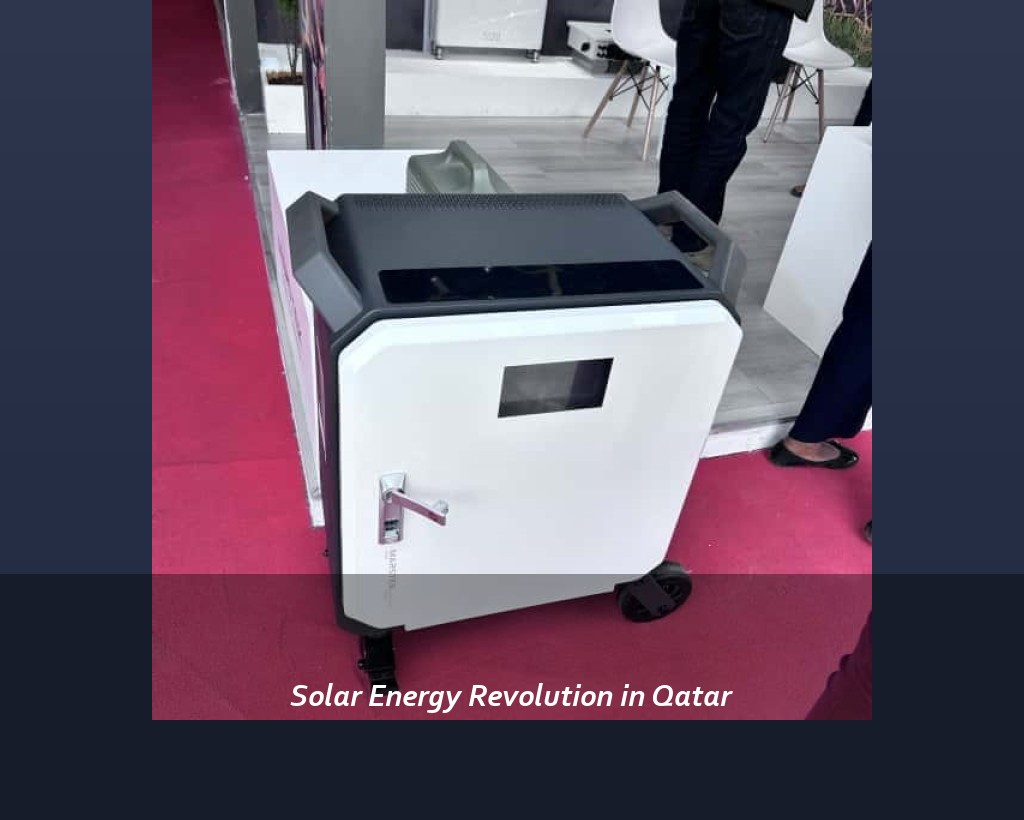
Solar Energy Revolution in Qatar
Why would one of the world's richest oil nations bet big on solar power? Qatar's push for renewable energy isn't just about environmental virtue signaling - it's a calculated move to future-proof its economy. With 2000+ kWh/m² annual solar irradiation (the highest recorded nationwide figures globally), the country could theoretically power itself 8 times over through photovoltaic technology alone.

Solar-Powered Waste Segregation: A Clean Energy Revolution
Ever wondered why 91 million tons of recyclables still end up in landfills annually despite widespread awareness? The answer lies in our outdated infrastructure struggling with three critical challenges:

Solar Energy Storage Systems: 2024's Key to Energy Independence
Ever wondered why your neighbor's rooftop panels work during blackouts while yours don't? The answer lies in energy storage systems – the unsung heroes of renewable energy. With global electricity demand projected to jump 50% by 2040, traditional grids are buckling under pressure. Last winter's Texas grid failure left 4.5 million homes dark, proving our centralized systems can't handle climate extremes.

Solar Energy Storage: Grid Revolution
We've all seen those shiny solar panels multiplying across rooftops and fields. But here's the kicker—what happens when the sun isn't shining? Last month's blackout in Texas proved even renewable energy systems need backup muscle. The 2023 California grid emergency saw 120,000 solar-powered homes go dark at sunset—a harsh reminder that generation and storage must evolve together.